
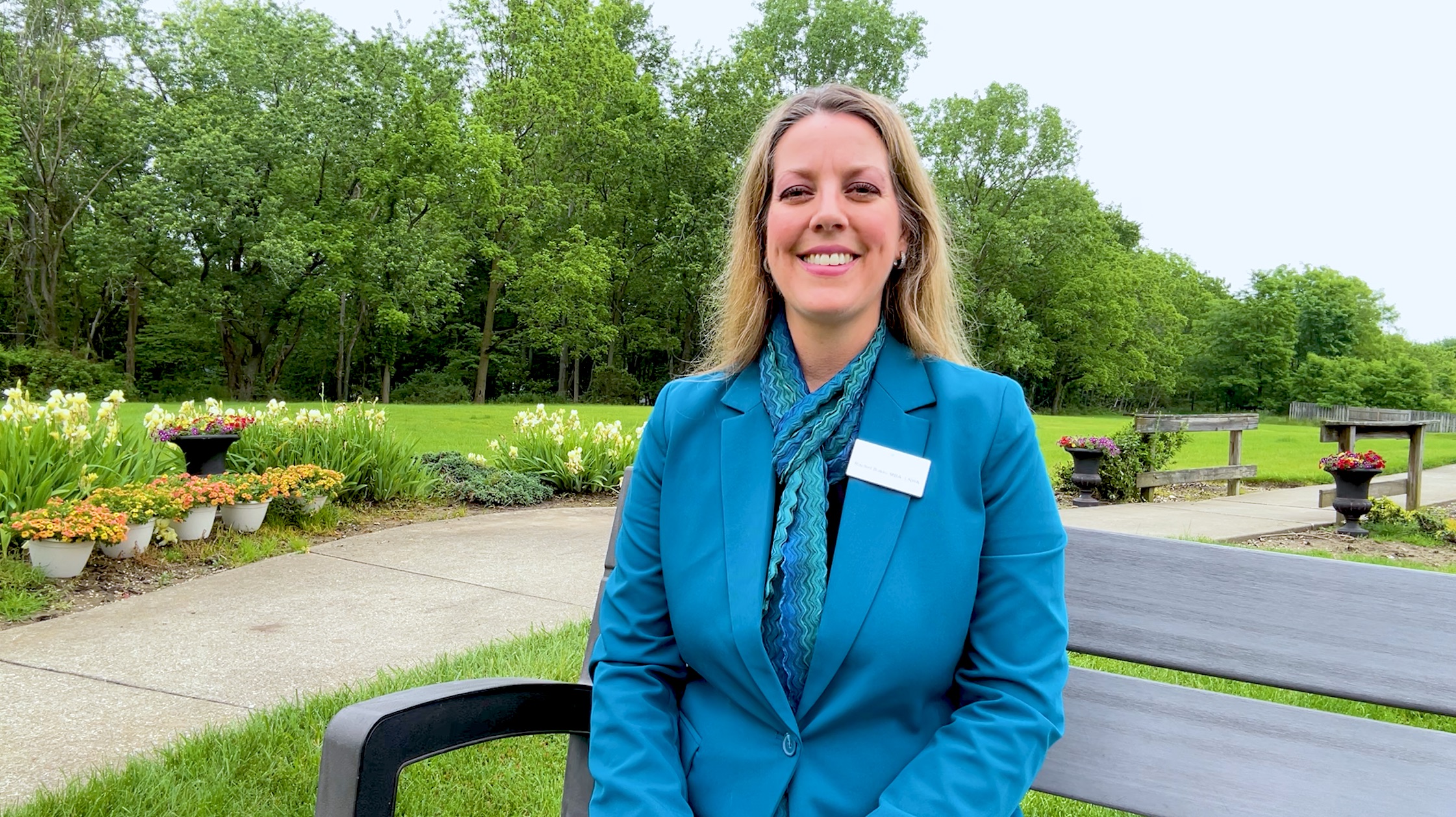
 See My Latest Article on HelloNation

How Does Nutrition Affect Healthy Aging?
Eating well is essential to maintain health, independence, and quality of life as people age in Massillon, OH. Nutritious food supports immune function, energy, and mobility, helping to manage chronic conditions that are common among older adults. Local weather, seasonal produce, and typical daily routines in the city all play a part in how residents approach healthy eating.
Good nutrition helps reduce the risk of heart disease, diabetes, bone loss, and cognitive decline. In the community, residents often look for straightforward, affordable ways to eat well, even when shopping for just one or two people.
What Are the Key Nutritional Needs for Older Adults?
Older adults have some different nutritional needs compared to younger people. The body’s metabolism slows with age, and some nutrients become more important.
For Massillon residents, important nutrients and considerations include:
- Protein: Supports muscle function and immune health. Sources include beans, eggs, poultry, and fish, which are typically available year-round.
- Calcium and Vitamin D: Critical for bone health, especially in northern climates with long winters and low sunlight. Dairy products, fortified foods, and safe sun exposure can help.
- Fiber: Aids in digestion and can help lower cholesterol. Local produce like apples, leafy greens, and beans are good options during Ohio’s harvest seasons.
- Hydration: Thirst signals may decrease with age. Carrying a water bottle, even in colder months, can prevent dehydration.
Which Seasonal and Local Foods Support Health in Massillon?
Choosing foods that are in season or commonly grown in the area can benefit nutrition and meal variety.
Common examples:
- Late spring and summer: Strawberries, tomatoes, zucchini, green beans
- Fall: Apples, cabbage, squash, carrots
- Winter: Root vegetables like potatoes and onions, frozen berries, and vegetables preserved from local gardens
Farmers’ markets in the area may offer affordable, high-quality produce. Bulk-buying and storing hardy vegetables or freezing extras can help sustain a varied diet year-round.
How Can Meal Planning Be Made Easier for Area Households?
Many older adults in Massillon cook for a household of one or two, which presents unique challenges. Planning simple, balanced meals reduces food waste and ensures the basics are covered.
Practical meal planning involves:
- Batch-cooking and freezing portions for busy or low-energy days
- Using flexible ingredients: for example, a rotisserie chicken can be used in salads, soups, and sandwiches throughout the week
- Planning meals around what’s freshest or available at local stores to add variety and keep costs down
Residents may also seek inspiration from regional traditions, like casseroles or hearty soups that can be prepared in quantity and reheated as needed.
Are There Common Nutrition Myths or Misconceptions in the Community?
Many older adults mistakenly believe that appetite loss is a normal part of aging or that vitamin supplements can replace balanced meals. While some appetite changes can occur, significant loss of interest in food should be discussed with a healthcare provider. Supplements might be helpful in certain cases, but should not substitute for a varied diet based on whole foods.
There’s also a tendency to cut back on protein or calories out of fear of weight gain, but skipping meals or limiting important nutrients can weaken the immune system and muscles.
What Are Some Practical Tips for Eating Well on a Fixed Income?
Budget-friendly nutrition is possible in Massillon with thoughtful choices:
- Choose store brands or bulk bins for pantry staples like oats, dried beans, and pasta
- Compare prices at area markets and supermarkets; buying produce in season is usually more affordable
- Prepare more plant-based meals, which typically cost less than those featuring meat or fish
- Use leftovers creatively to minimize waste
Community programs or senior nutrition resources may also offer additional support for those with financial or mobility challenges.
How Do Health Conditions Affect Dietary Choices for Older Adults?
Chronic conditions such as diabetes, high blood pressure, or heart disease may require specific diet adjustments. In Massillon, winter months can also increase risks related to blood pressure and hydration.
Managing health through nutrition might involve:
- Limiting added sugars, sodium, and saturated fats
- Including whole grains (like brown rice and whole wheat bread) instead of refined grains
- Watching portion sizes, particularly when appetite is reduced
Residents managing special diets should regularly review meal plans with a healthcare provider or dietitian, especially when paired with medication.
How Does Social Connection Influence Nutrition in Older Age?
Social isolation or loneliness, which can occur more often in winter or among those with limited mobility, may reduce motivation to prepare or eat balanced meals. Sharing meals with friends, neighbors, or at community centers encourages healthier food choices and improves overall well-being.
Residents can find connection through local clubs, volunteer groups, or informal gatherings, which are especially important during long, cold months. Cooking together or exchanging recipes can also make healthy eating more engaging.
What Are Signs of Malnutrition, and When Should Residents Seek Help?
Malnutrition can be subtle in older adults but may include unexpected weight loss, fatigue, dental problems, or frequent illnesses. Also, difficulty shopping or cooking due to physical limitations can be a barrier.
If any of these signs are noticed, residents should consult a healthcare professional to review dietary habits and underlying causes. Family members and caregivers in Massillon often play an important role in noticing early warning signs and supporting healthy routines.