

 See My Latest Article on HelloNation
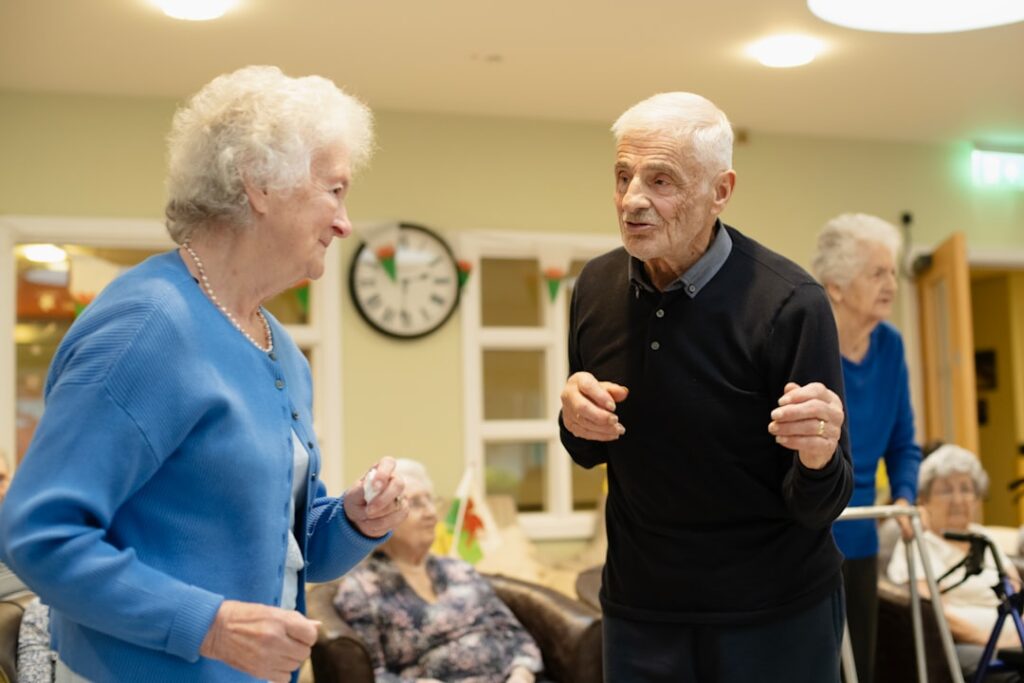
Why Does Mobility Decline with Age, and Can Exercise Help?
Mobility can decrease as adults grow older due to natural muscle loss, joint stiffness, pain, or chronic health conditions. Many residents of Massillon, OH notice these changes in everyday activities like climbing stairs or getting out of a chair. Gentle, regular exercise helps slow these effects and can even reverse some problems, supporting independence and confidence.
Consistent movement keeps joints flexible, muscles strong, and reflexes sharper. This is especially valuable in a city with four distinct seasons, where winter’s ice and snow can create extra hazards for those who move more slowly or have reduced balance.
Which Types of Exercises Are Most Beneficial for Mobility in Older Age?
Mobility isn’t just about walking faster—it involves strength, balance, flexibility, and coordination. The most effective routines combine several types of activities:
- Flexibility Exercises: Stretching helps maintain range of motion in the hips, ankles, and shoulders.
- Strength Training: Muscle-strengthening activities—using bodyweight or light resistance—support balance and prevent falls.
- Balance Exercises: Activities that challenge stability help reduce the risk of slips and falls on uneven or icy walkways, common in Massillon winters.
- Low-Impact Cardio: Walking, swimming, or cycling support heart health without straining joints.
Even gentle movement is beneficial. Most older adults can safely try these activities at home or in the neighborhood, as long as they listen to their bodies.
What Are Examples of Safe, Practical Mobility Exercises for Local Residents?
Many local seniors prefer easy movements that can be done with little or no equipment—especially during cold or rainy months, when outdoor walking is less appealing. Examples include:
- Chair Stands:
- Start seated in a sturdy chair.
- Stand up using the legs (not pushing off with hands), then sit slowly.
- Repeat 8-12 times; this supports leg and hip strength, similar to actions needed for rising from couches or toilets.
- Heel-to-Toe Walking:
- Walk in a straight line, placing the heel of one foot directly ahead of the toes of the other.
- This simple exercise boosts balance and can be safely practiced along a hallway.
- Ankle Circles and Calf Raises:
- While seated or holding onto a sturdy surface, circle the ankles and then gently raise onto tiptoes.
- These moves help with circulation and stability—particularly important for preventing stumbles during icy months.
- Seated Marches:
- While seated, lift knees one at a time in a marching motion.
- Useful for those with steadiness concerns but still eager to keep leg muscles active.
These movements fit easily into daily routines, such as after morning coffee or before a walk around neighborhood blocks when sidewalks are clear and dry.
How Often Should Older Adults Exercise for the Best Mobility Results?
Regularity matters more than intensity. Local and national guidelines suggest aiming for activities that keep the body moving most days of the week, building up to about 150 minutes of moderate movement weekly. For most older adults, this can mean 20–30 minutes of walking, stretching, and light strengthening on most days.
Many people in the area find it easier to exercise with a routine:
- Morning stretches to start the day
- A midday walk if weather allows
- A brief evening session of balance or flexibility exercises

Short sessions are fine, especially when spread out throughout the day.
What Common Mistakes Should Older Adults Avoid When Exercising?
Several misconceptions can lead to frustration or injury:
- *Doing too much, too quickly:* Mobility gains are gradual. Starting slowly limits soreness or strain.
- *Ignoring pain or discomfort:* Exercise should not cause sharp pain. Joint aches and muscle soreness that persist should not be ignored.
- *Skipping balance training:* Many routines focus only on strength or cardio; skipping balance makes falls more likely.
- *Forgetting to warm up and stretch:* Muscles and joints move better and are less prone to injury with a gentle warmup.
Cold weather in Massillon can stiffen muscles, making warm-ups even more necessary before any activity.
How Can Local Residents Stay Motivated, Especially During Winter Months?
Seasonal changes in the city can make outdoor routines tricky. Local residents can:
- Use indoor spaces—living rooms, hallways, or community centers (when accessible)—to exercise safely off of icy sidewalks.
- Turn on familiar music to make stretching or balance work more engaging.
- Involve a friend or family member for accountability and social support.
Tracking progress in a notebook or using a wall calendar can also help show improvements over time, providing extra encouragement during gray, cold months.
Are There Safety Tips for Exercising at Home?
Safety can be maintained by:
- Clearing walkways or removing throw rugs to create open space.
- Wearing supportive shoes or grippy socks, especially on hard flooring.
- Keeping a sturdy chair or countertop nearby for support during balance work.
Older adults with chronic conditions (heart disease, arthritis, diabetes) should consult with a healthcare provider before beginning any new exercise regimen to ensure safety based on individual needs.