
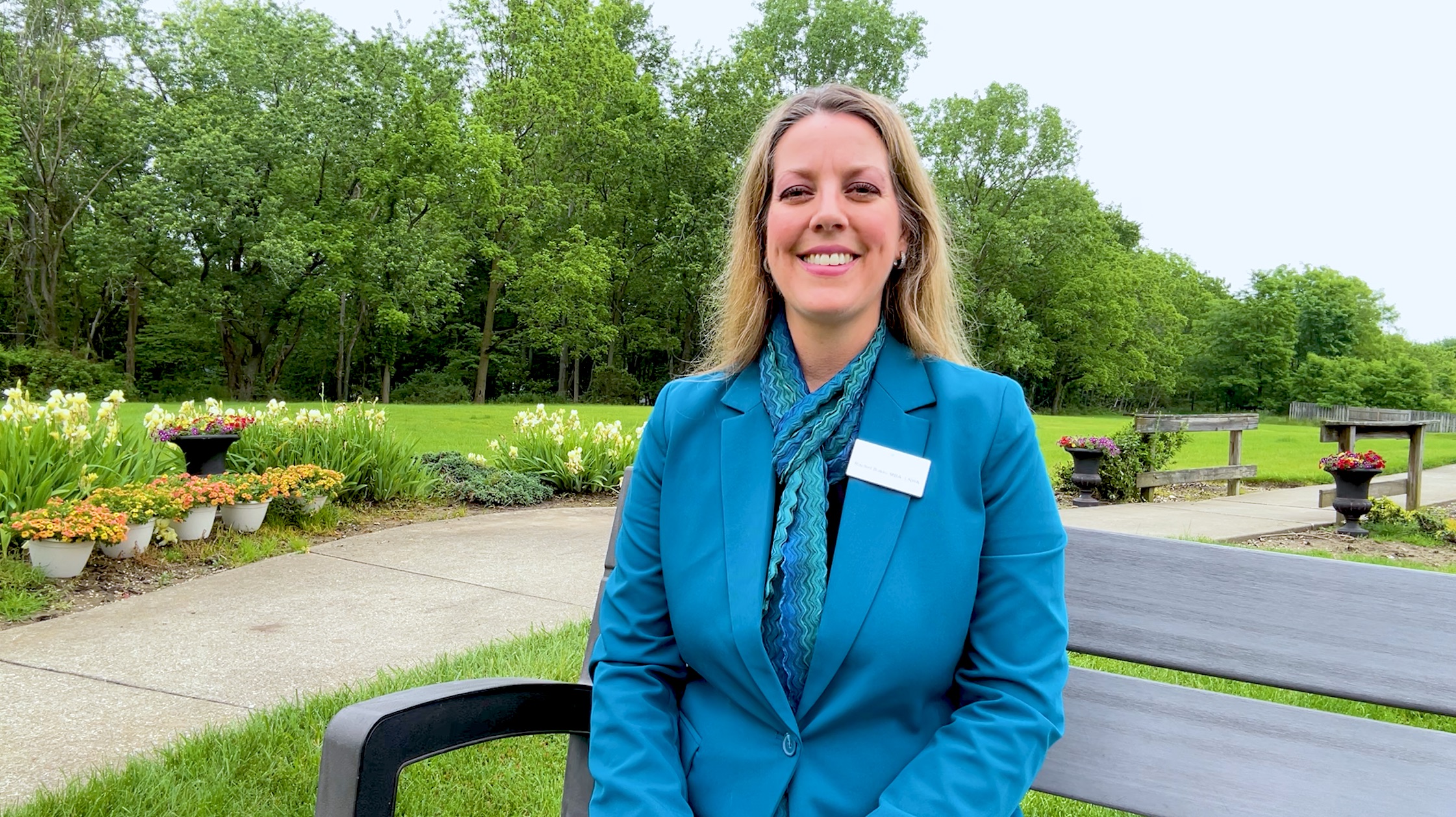
 See My Latest Article on HelloNation

What Causes Memory Loss as We Age?
Memory loss can happen for many reasons, and not all changes in memory are the same. Older adults in Massillon, OH may notice lapses like forgetting names or appointments, which are common and usually not signs of serious trouble. More significant or progressive memory loss, however, can be part of health conditions such as Alzheimer's disease or other forms of dementia.
Several things contribute to age-related memory issues:
- Normal aging, which can slow recall but usually does not interfere with daily life
- Medical conditions such as stroke, thyroid issues, or vitamin deficiencies
- Side effects from certain medications
- Mental health concerns like depression or anxiety
Understanding the source is the first step to offering the right support. Consulting a healthcare provider can help distinguish normal forgetfulness from more concerning memory loss.
How Can Families Support Loved Ones Living with Memory Loss?
Small changes at home and in daily routines often bring comfort and security to older adults experiencing memory problems. Families in the community have found that focusing on clear and consistent communication is key.
Helpful practices include:
- Using simple, direct language and speaking slowly
- Keeping a daily schedule posted in a familiar place
- Labeling common items or rooms to support independence
- Breaking down tasks into smaller steps
- Offering reminders using calendars, notes, or phone alarms
Emotional support is just as critical. Memory loss can be frustrating or frightening for both the individual affected and family members. Patient listening, validation, and reassurance are valuable even on challenging days.
What Should You Do if Memory Loss Seems to Get Worse?
If memory loss is worsening, impacting daily activities, or comes with confusion, changes in mood, or personality, it may signal a condition in need of medical attention. Even if these changes seem minor at first, a check-up can reveal causes that are reversible or help with early planning for continuing care.
Warning signs requiring evaluation:
- Getting lost in familiar places
- Difficulty following directions, recipes, or bills
- Forgetting important names or events repeatedly
- Trouble finding words or participating in conversations
Early medical attention can sometimes slow progression or identify treatable causes. Local residents can speak first with a primary care doctor or a specialist such as a neurologist for further testing.
How Can Safety Be Maintained at Home?
Making the home safer benefits both the person experiencing memory loss and those who care for them. In Massillon, winters can bring hazards like icy steps, while older homes may have clutter that increases fall risks.
A few safety updates commonly recommended:
- Ensuring good lighting, especially at night
- Keeping paths clear of rugs and electrical cords
- Installing grab bars in bathrooms
- Locking away cleaning products, sharp objects, or medications
- Placing emergency contacts near the phone or posted by the door
For families with loved ones who wander or become disoriented, consider door alarms or locks that are difficult for the person to open without help. Checking local community watch programs can also add an extra layer of reassurance in case someone goes missing.

What Are Practical Communication Strategies?
Misunderstandings can increase tension when memory issues are present. Using positive, practical strategies helps prevent frustration all around.
Ideas for smoother communication:
- Keeping sentences short and questions simple (yes/no works well)
- Maintaining steady eye contact and a calm tone
- Gently redirecting if topics become confusing
It’s common for well-intentioned family members to correct or challenge lapses, but this often leads to distress. Redirecting or validating feelings, rather than focusing on forgotten details, tends to foster more connection.
How Can Families Adapt and Protect Wellbeing?
Supporting someone with memory loss is emotional as well as practical. Family members in Massillon often share concerns about balancing caregiving with their own lives. Remembering that neither the person with memory challenges nor their caregivers are alone can make a difference.
Helpful tips to support everyone’s wellbeing:
- Taking regular breaks when needed to avoid burnout
- Sharing updates and observations with other family or friends
- Seeking local or online support groups for advice and understanding
Participating in local programs designed for seniors can allow those with memory loss to socialize and stay connected. The community itself is an important resource, with neighbors often looking out for one another during the year.
What Are Common Myths or Misconceptions?
Not everyone with memory loss will develop dementia, and memory issues are not always inevitable. It is a myth that little can be done—many factors are manageable, and resources exist to help.
Common misunderstandings include:
- Believing all memory loss is part of normal aging (sometimes it’s not)
- Assuming people with memory challenges can't enjoy favorite activities or contribute at home (support often enables continued involvement)
- Thinking that discussing memory concerns will always upset someone (open, sensitive conversations help with planning and preparation)
Recognizing these myths allows families to focus on positive steps rather than worry or isolation.