

 See My Latest Article on HelloNation

Why Are Falls a Major Concern for Older Adults in Massillon, OH?
Falls are a leading cause of injuries among older adults, both nationally and within the Massillon, OH community. Local residents may be at added risk due to icy sidewalks in winter, older housing stock with stairs and basements, and changes in mobility that come with aging. Even a minor fall can lead to serious health consequences and reduce independence, making prevention a crucial aspect of daily living for seniors and their families.
What Are the Most Common Causes of Falls in Area Homes?
The majority of falls occur due to a combination of physical changes and environmental hazards. In Massillon, older homes might feature steep or narrow staircases and uneven walkways, increasing risk. Other frequent contributors include:
- Cluttered hallways or living spaces
- Throw rugs that slide or bunch up
- Poor lighting, especially in entryways or basements
- Wet floors from tracked-in rain or snow
- Shoes or slippers with slick soles
Medications, low vision, and some chronic health conditions can further increase susceptibility to slips and trips.
How Can Local Households Make Entryways Safer?
Massillon’s seasonal weather means residents often deal with wet or icy surfaces. Entryways are a common site for falls, especially during the colder months. To minimize the risk:
- Use sturdy, non-slip mats inside and outside doors to absorb moisture and provide traction
- Install bright lighting near entrances so steps and thresholds are clearly visible
- Address ice and snow promptly with shoveling and deicing products
- Encourage visitors to remove wet shoes immediately upon entry
Even small changes, such as keeping the area free of shoes and umbrellas, help prevent tripping.
What Changes Inside the Home Offer Immediate Benefits?
Simple modifications are often the fastest and most cost-effective way to reduce fall risks indoors. Start by assessing rooms most frequently used:
- Remove or securely tape down scatter rugs and runners
- Reorganize furniture to ensure wide, clear walking paths throughout the home
- Add night lights in bedrooms, bathrooms, and hallways for safe movement after dark
- Keep commonly used items within easy reach—avoid step stools, especially for those with balance issues
In homes with stairs, ensure handrails are steady and extend the full length of the steps. Many Massillon residences feature basements accessed by narrow stairs; install high-contrast striping at each step’s edge to highlight the difference between steps, reducing missteps, especially in variable lighting.
Which Bathroom Modifications Make a Real Difference?
Bathrooms are a frequent location for falls due to slippery tile and tub surfaces. The following improvements are particularly effective:
- Install grab bars next to toilets and both inside and outside the shower or tub
- Use non-slip mats or adhesive strips in the tub or shower itself
- Consider a raised toilet seat for easier transfers
- Keep floors dry and free of soap residue
If multiple people use the bathroom, regularly check that mats are securely placed and that no items are blocking the pathway.
Are There Seasonal Considerations in Massillon That Affect Fall Risk?
Yes. Massillon’s winters bring snow and ice, while fall leaves can create slick entryways. Seasonal changes affect both outdoor and indoor safety:
- In autumn and winter, clear leaves, snow, and ice from sidewalks and porches; icy patches near downspouts and shaded areas are easily overlooked
- Check for water tracked indoors that might puddle near entrances
- During spring rain, watch for mud or grass clumps near doorways that could cause slipping
Prep for each season proactively by storing appropriate supplies—such as salt, sand, or an absorbent mat—near entrances.
How Can Personal Habits and Health Impact Fall Prevention?
Falls are not just about environmental hazards; personal well-being is just as important. Local health providers note these practical strategies:
- Wear supportive, well-fitted footwear with non-skid soles at all times—even indoors
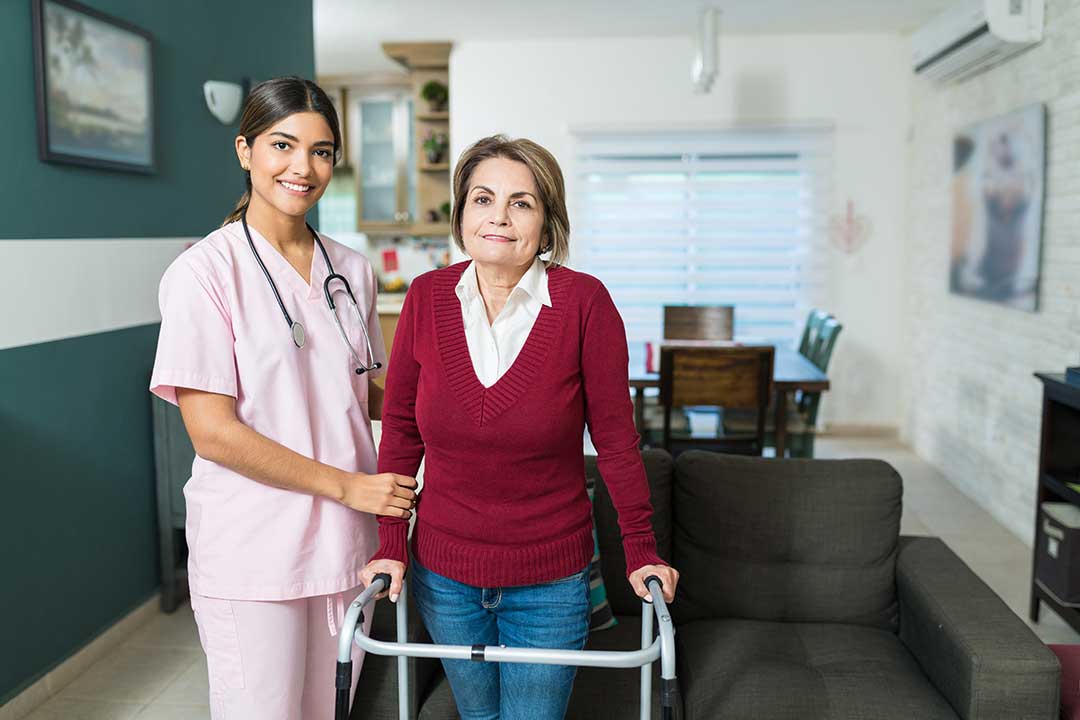
- Use mobility aids, such as canes or walkers, as recommended by healthcare professionals
- Schedule regular vision checks, since changes in eyesight often go unnoticed but greatly impact balance
- Get up slowly from beds or chairs to avoid dizziness
Maintaining strength and flexibility through exercise, such as walking or targeted balance routines, also plays a vital role in fall prevention.
What Home Maintenance Tasks Should Not Be Overlooked?
Routine upkeep directly reduces common household risks. Pay close attention to:
- Fixing loose carpeting, frayed stair treads, and broken floorboards
- Addressing leaks that could create slippery patches in kitchens, laundry areas, or basements
- Ensuring that all light fixtures function properly and using higher-wattage bulbs (within fixture ratings) for increased visibility
Even in rental housing or multi-family units, residents should communicate issues to landlords or property managers right away, as timely repairs benefit everyone.
Are There Community Resources or Local Support?
Massillon residents may access helpful resources through local government and senior advocacy groups. Public agencies sometimes offer seasonal safety tips or distribute informational materials. Neighbors, friends, and family frequently play a key role in making homes safer by assisting with heavy chores, snow removal, or friendly welfare checks.
Sharing what’s learned about fall prevention helps foster a safer, more supportive environment for everyone in the community.