
 See My Latest Article on HelloNation

How Can Older Adults Remain Independent Safely?
Seniors can remain independent by making daily life at home safer, more comfortable, and better suited to their changing needs. Many older adults in Massillon want to continue living in their familiar neighborhoods and routines while managing health and mobility changes that come with aging.
Safety improvements, flexible home tasks, and steady social engagement are the foundation for maintaining independence. The city’s mix of single-family homes and compact neighborhoods allows for several adaptations without major disruption.
What Home Adjustments Support Independence?
Addressing home safety is a key first step. Simple changes reduce the risk of falls and support mobility.
Common home modifications include:
- Installing sturdy grab bars in bathrooms for easier movement
- Adding ramps or railings at entryways where steps are difficult
- Improving lighting in hallways, stairwells, and doorways to decrease trip hazards
- Securing rugs or removing clutter from walkways
- Using non-slip mats in showers and tubs
Some homes in Massillon were built long before universal design was common, so even minor updates can make daily life easier. Residents often take on changes gradually, such as updating one room at a time or adding assistive devices seasonally if ice or rain makes specific entries more hazardous.
How Can Daily Routines Be Adapted Without Losing Independence?
Seniors who adapt routines often maintain their independence longer. For instance, local residents might break larger tasks into smaller steps, use simple tools for grip support, or establish new schedules that fit their current energy levels.
Adapting daily life may mean:
- Taking breaks while cleaning or cooking
- Using lightweight tools for yardwork
- Moving important items within easy reach
- Planning meals that require less preparation or lifting
Families and local friends can encourage independence by asking what tasks are most challenging and helping to find safer, simpler ways to stay involved.
What Transportation Alternatives are Available if Driving Becomes Difficult?
Losing the ability to drive doesn’t mean losing independence. Many Massillon seniors walk to local destinations, especially in neighborhoods with sidewalks and nearby amenities.
Alternatives include:
- Using community shuttles for senior residents (if available through public agencies)
- Relying on family, friends, or neighbors for occasional rides
- Exploring local public transit and learning the schedule for essential routes
- Arranging group outings or appointments with others nearby
Sharing rides to church, shopping, or medical appointments helps seniors stay active and connected without over-relying on any single person. Discussing transportation options before driving becomes unsafe reduces stress and preserves routine.
How Can Seniors Stay Socially Engaged?
Social participation helps maintain emotional well-being and fosters independence. In the city, opportunities often include church activities, neighborhood gatherings, library programs, or group hobbies.
Periodically reaching out to old friends or joining low-cost classes helps seniors combat isolation. Even informal connections—like chatting with neighbors or volunteering at community events—contribute to a sense of purpose.
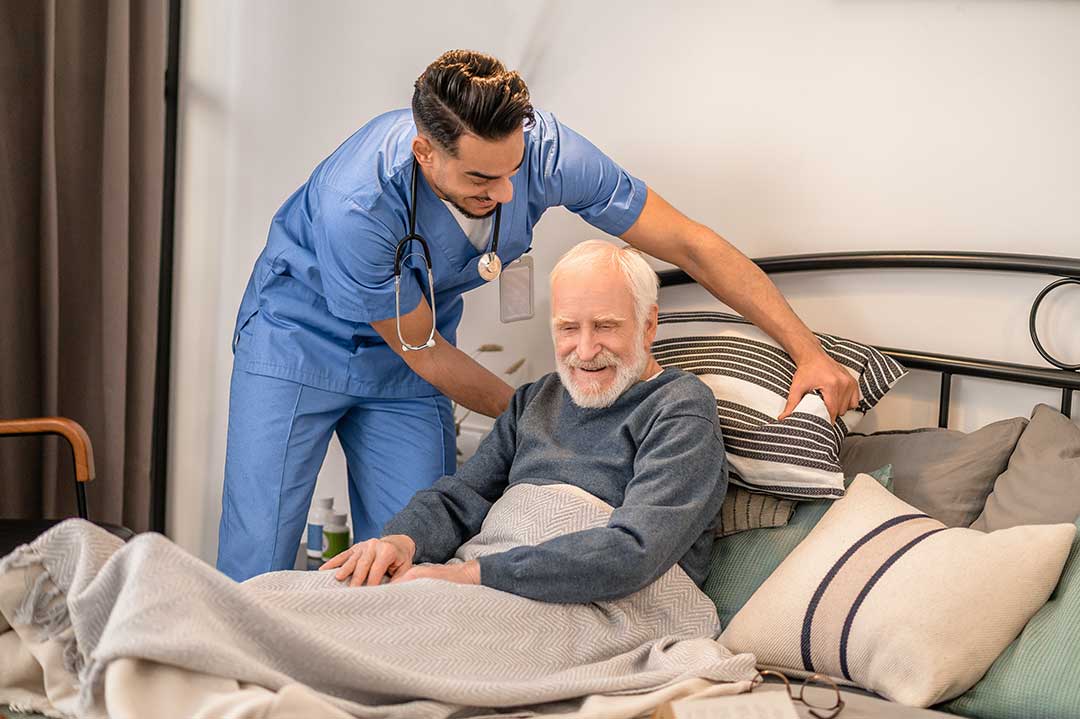
Some families in Massillon set up regular phone or video calls with older relatives, especially over winter when travel can be harder. These contacts can be scheduled or spontaneous and provide welcome variety to the week.
What Health Habits Make a Difference for Independence?
Consistent health routines support independence and help manage chronic or seasonal conditions common among seniors.
Practical steps include:
- Keeping regular medical and dental appointments
- Following a simple exercise routine, such as daily walks along local paths or in nearby parks
- Handling medications carefully, perhaps by setting up reminders or pill organizers
- Drinking water and eating balanced meals, taking into account any dietary restrictions
Residents in Massillon sometimes coordinate group walks or fitness classes in community spaces, encouraging movement in a social setting.
What Are Common Misconceptions About Senior Independence?
Many assume that accepting help means “giving up” autonomy. In reality, choosing support may be the best way to remain independent.
A few other common misconceptions:
- All seniors will need to move out of their homes as they age—many adaptations can delay or avoid this.
- Independence means doing everything alone—healthy independence includes asking for help with specific needs.
- Mobility aids or home adjustments are only for those with serious disabilities—preventive changes benefit anyone managing new physical challenges.
Recognizing that independence and support work together leads to smarter planning and more choices as circumstances change.
How Do Weather and Local Conditions Affect Independence?
Massillon’s winters bring icy sidewalks and snowy driveways that make falls more likely. During colder months, seniors sometimes depend on neighbors or family for shoveling and errands. Planning for seasonal challenges might mean arranging for delivery of groceries or medicine, or setting up a regular check-in with someone nearby.
Spring and summer provide opportunities to spend more time outdoors, whether gardening, walking, or participating in local events. Adapting to seasonal shifts helps older adults stay both safe and engaged throughout the year.