
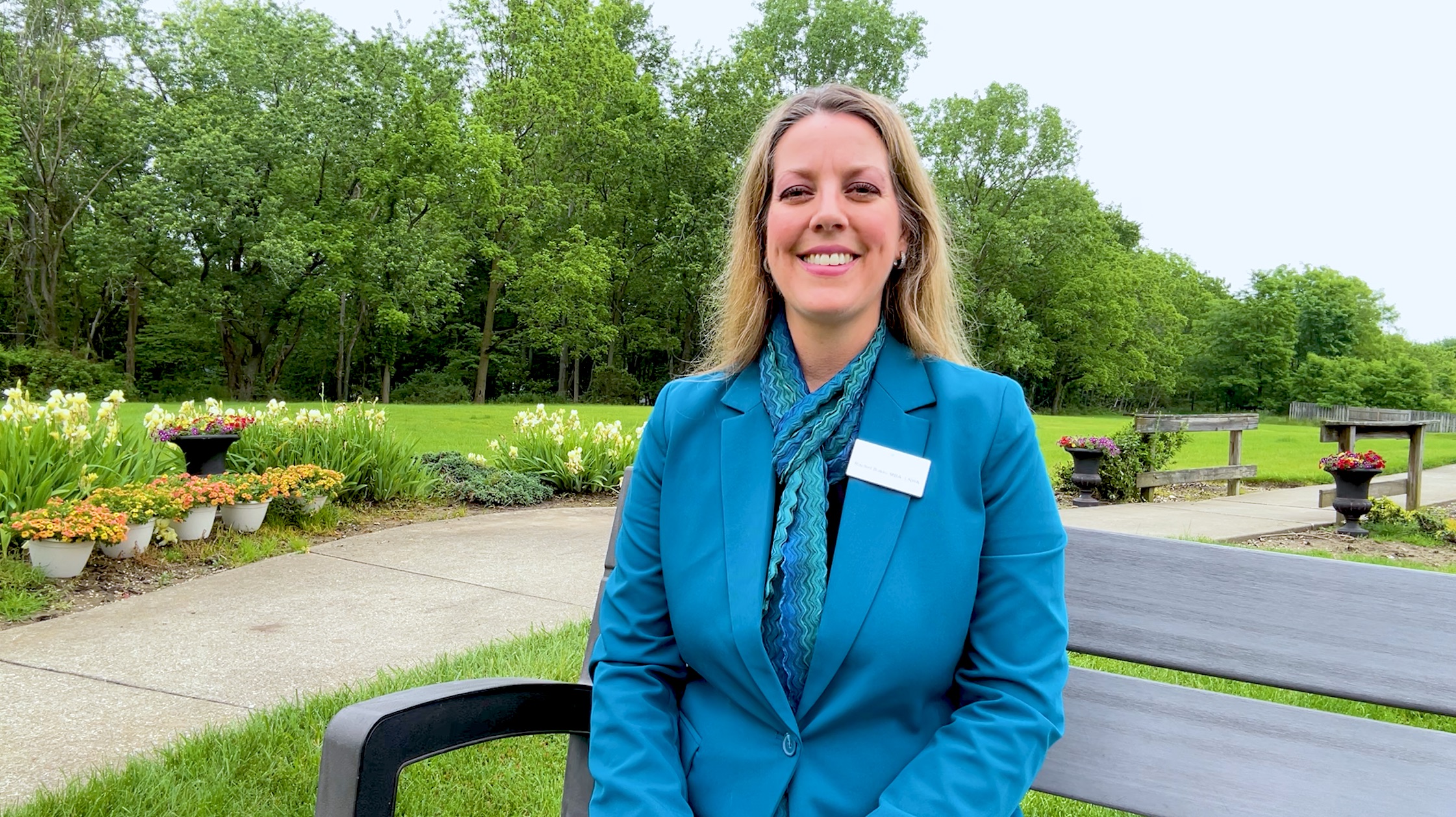
 See My Latest Article on HelloNation

What Changes Might Indicate an Aging Parent Needs More Assistance?
Noticing differences in an older parent's routine or health can be unsettling. Subtle changes in daily life often raise the first questions for many families in Massillon, OH. Small warning signs—whether related to home upkeep, health, or mood—sometimes signal that more help could be beneficial. Changes may be gradual and easy to overlook, especially when visits are brief or infrequent.
Sudden declines are less common; it’s more typical to notice that a parent’s home isn’t as tidy, grocery items are spoiling, or medication bottles look untouched. If friends, neighbors, or even your parent expresses increased worry or confusion, it’s a good prompt for a candid conversation and closer observation.
How Can You Spot Memory or Cognitive Shifts Beyond Normal Aging?
Mild forgetfulness is a natural part of aging, but major changes in memory or thinking can signal a bigger concern. In Massillon, friends and family might see these signs during routines such as local errands, community events, or household conversations.
Direct signs that go beyond “senior moments” include:
- Repeatedly asking the same questions or telling the same stories
- Getting lost or disoriented in familiar parts of the city
- Confusing times, places, or familiar people
- Struggling with familiar tasks like managing household bills, keeping up with mail, or following a shopping list
These problems can impact local safety, especially with the area’s winter weather or if a parent lives alone. Trustworthy advice often encourages observing over several weeks before drawing conclusions, as stress and illness can temporarily impact cognition.
What Are Common Physical or Health Warning Signs?
Physical changes can suggest a parent is having trouble managing daily needs. In Massillon, icy sidewalks, uneven steps, and changing seasons present unique safety concerns for older residents maintaining their independence.
Some warning signs include:
- Noticeable weight loss or gain
- Trouble moving around the house or getting up from chairs
- Unexplained bruises or injuries, possibly from minor falls or balance issues
- Poor personal hygiene or unmet basic needs (like clean clothes and bathing)
- Expired, spilled, or missing medications
Local families sometimes notice these changes in day-to-day visits, or when parents avoid favorite community activities out of fear of falling or embarrassment.
Are There Behavioral or Emotional Signals to Watch For?
Mental health often changes with aging, but significant or unexplained behavioral shifts can be signs of isolation or declining well-being. This is especially important in communities like Massillon where neighbors often notice when someone withdraws from regular interactions.
Key signs of concern include:
- Noticeable withdrawal from friends, hobbies, or local gatherings
- Increased irritability, agitation, or confusion
- Significant mood swings or ongoing sadness
- Unusual suspiciousness or fearfulness
In the community, church groups or social clubs sometimes notice these patterns earlier than immediate family. Broken routines—like missed appointments or skipped club meetings—are often early indicators for those who live nearby.
Are Changes at Home a Reason to Worry?
The state of a parent’s home can provide clear signals. In Massillon, local housing often includes older single-family homes that may require regular maintenance, which can become overwhelming.
Some environmental red flags are:
- Stacks of unpaid bills or unopened mail
- Spoiled food in the refrigerator or pantry
- Missed home repairs (burned-out lights, unsafe stairs)
- Less frequent cleaning or unusual clutter
- Signs of repeated accidents, such as scorched cookware or broken objects

If these changes are new or worsening, it may be harder for the parent to maintain a safe and comfortable living environment, especially during winter or heavy rain periods common in the region.
When Should You Be Worried About Driving or Getting Around Town?
Driving is essential for independence in Massillon, where many seniors rely on their own vehicles for errands, medical appointments, or visiting friends. Difficulty on the road requires special attention for everyone’s safety.
Warning signs include:
- More frequent parking scrapes or unexplained dents
- Getting lost or disoriented, even in familiar neighborhoods
- Struggling to follow traffic signals, signs, or directions
- Nervousness about driving, especially during winter or at night
If your parent is increasingly hesitant or neighbors mention risky driving, it’s wise to address the topic with care, as giving up driving is often emotionally difficult.
How Do Local Conditions Affect Senior Safety and Support Needs?
The climate, housing patterns, and infrastructure in Massillon can magnify the effects of aging. Winter ice, long driveways, stairs, or older appliances can all increase risk. When mobility, vision, or memory issues combine with these factors, even small declines can have large impacts.
Some challenges are unique to the area:
- Snow and ice increase fall risk for those shoveling or walking outside
- Older homes may not have accessible bathrooms or handrails
- Seasonal power outages can be harder for solitary seniors to manage
- Few sidewalks in residential areas may limit walking or outdoor activity
Community-minded residents often check on older neighbors when the weather turns or power goes out, forming an important safety net.
What Local Resources Can Offer Guidance and Support?
In Massillon, resources exist to help families navigate senior safety. Nonprofit agencies, local government offices, and community groups often provide information and support programs. These organizations can help families learn about wellness checks, meals programs, or transportation options.
While it’s not necessary to seek professional help for every warning sign, understanding what resources are available helps families tailor support to their parent’s true needs. Area-specific programs are designed with local weather, infrastructure, and senior lifestyle in mind.